

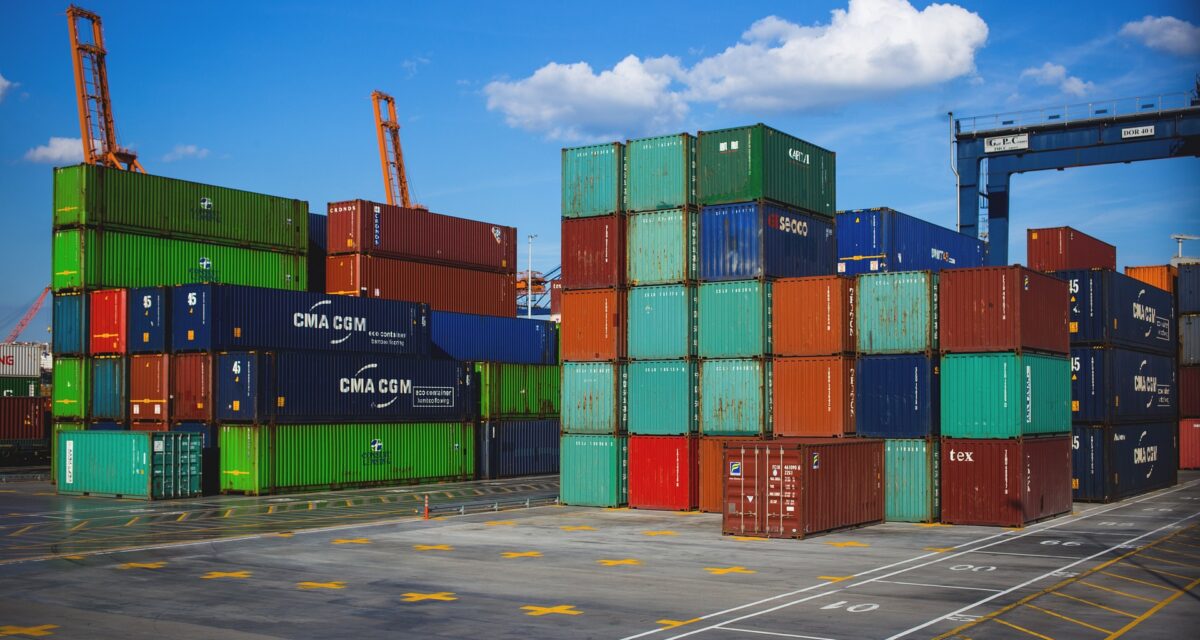
Selecting the right freight warehouse directly affects your supply chain’s reliability, transit speed, and operating costs. Whether you are staging containerized ocean imports, organizing cross-dock distribution, or storing heavy industrial equipment, an ill-suited warehouse facility leads to demurrage fees, damaged goods, and delivery delays.
According to data from the Bureau of Transportation Statistics (BTS), multi-modal freight movement relies heavily on efficient transfer nodes where drayage, warehousing, and highway transport meet. To help supply chain managers, freight brokers, and importers evaluate facilities effectively, here are the essential factors, practical warehouse tips, and operational capabilities to review before signing a contract.
1. Location Strategy and Proximity to Transport Hubs
Location is the single most critical factor when choosing a freight warehouse. A facility situated too far from major ports or interstate corridors increases drayage costs, exposes loads to traffic delays, and reduces dray driver turnaround times.
Proximity to Marine Ports and Rail Ramps
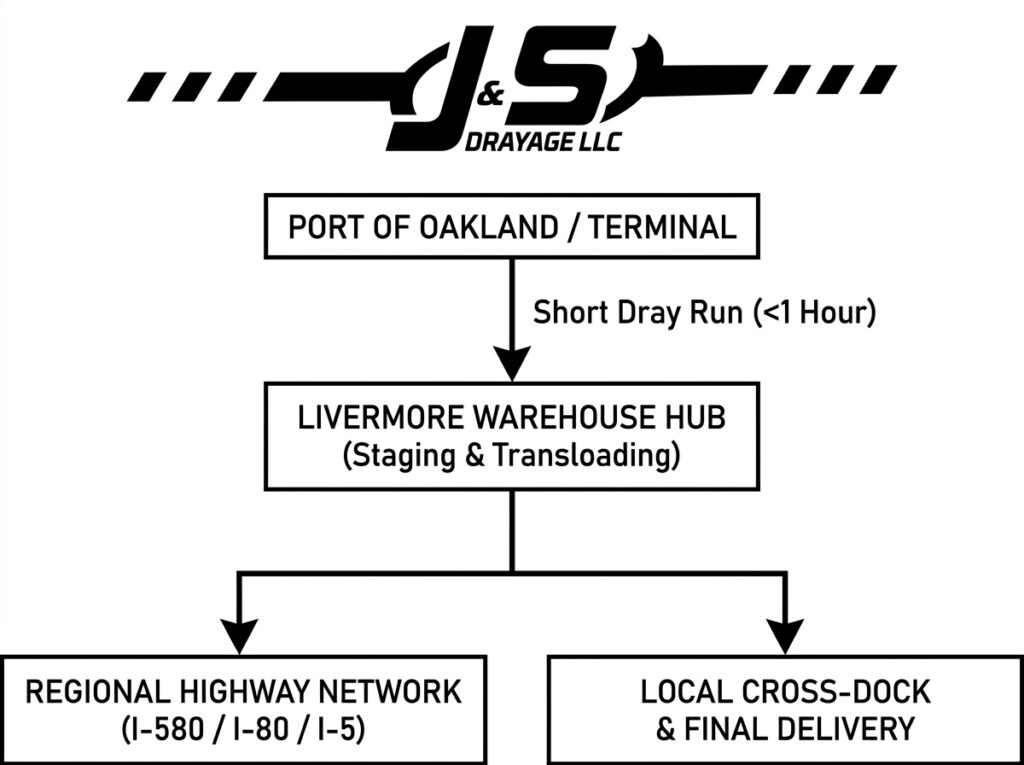
If you handle imported or exported goods, facility placement relative to primary port complexes (such as the Port of Oakland) or rail terminals is vital. A warehouse positioned within an hour of port gates allows drayage drivers to make multiple turns per day. This speed helps shippers pull containers off terminal promptly, avoiding per-diem chassis fees and costly port demurrage.
Access to Major Highway Arterials
A well-located warehouse should sit near major freight corridors (e.g., Interstate 580, I-80, or I-5 in Northern California) to streamline regional dry van dispatch and over-the-road trucking.
2. Core Service Capabilities: Transloading, Crossdocking, and Storage
Different warehouse types cater to distinct supply chain models. Understanding the exact freight handling services offered prevents operational bottlenecks.
| Service Type | Primary Purpose | Key Operational Benefit |
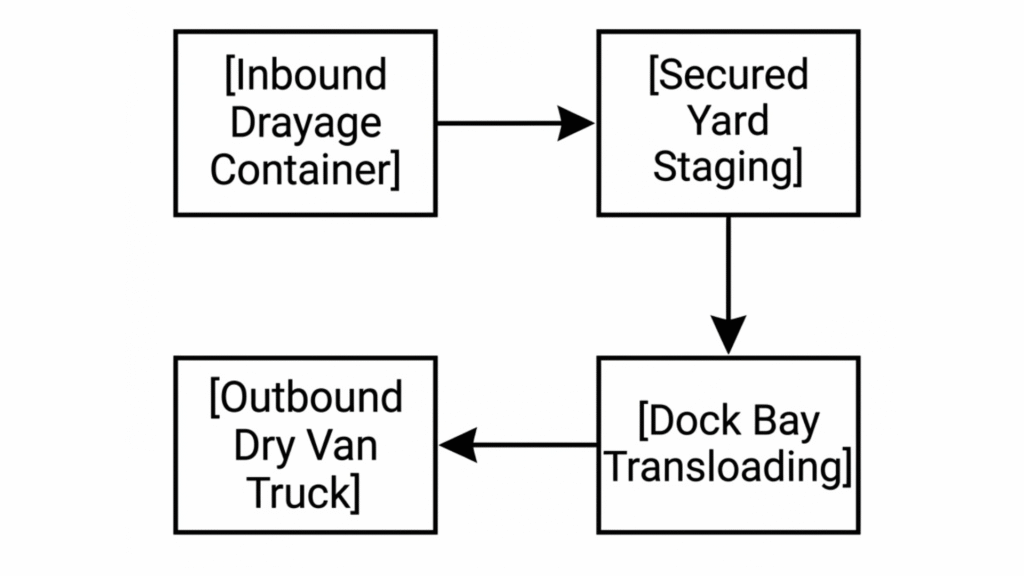
| Transloading | Transferring cargo from ocean containers (20ft/40ft) into 53ft dry vans | Consolidates 3 ocean containers into 2 dry vans, cutting long-haul costs |
| Crossdocking | Immediate unloading and reloading onto outbound trucks with zero long-term storage | Minimizes holding time and speeds up high-velocity distribution |
| Floor & Pallet Storage | Short-term or seasonal staging for raw materials, palletized CPG, or machinery | Provides buffer stock capability near major consumer markets |
| Heavy Equipment Handling | Specialized loading/unloading of machinery or oversized freight | Prevents damage to heavy or non-standard industrial loads |
When evaluating providers, confirm that their facility has adequate dock bays, yard space, and specialized equipment (such as heavy-capacity forklifts or yard mules) to support your specific freight handling needs.
3. Facility Security and Risk Mitigation
Security is non-negotiable when housing high-value freight, consumer electronics, or industrial machinery. A lapse in warehouse security can cause inventory shrinkage, insurance disputes, and severe distribution delays.
When touring or auditing a freight warehouse, verify the following baseline security protocols:
- Secured Perimeter: Fully fenced yards with gated access points to control truck traffic.
- Continuous Surveillance: 24/7 security camera coverage across dock doors, yard staging areas, and interior rack aisles.
- Access Control: Strict visitor and driver check-in procedures to maintain a clear chain of custody.
- Fire & Safety Systems: Operational sprinkler systems, clean floor layouts, and compliance with local building and safety codes.
4. Dock Efficiency, Yard Staging, and Capacity
A warehouse may have ample square footage, but if its dock doors or yard staging areas are cramped, truck turnaround times will suffer.
Critical operational questions to ask:
How many dock doors are available? Limited dock bays lead to driver detention charges while trucks wait to be offloaded.
Is there trailer staging in the yard? Ample yard space allows carriers to drop containers or empty trailers for pre-loading, facilitating seamless drop-and-hook operations.
What is the square footage and layout? A clear-span warehouse layout—such as a 30,000 to 40,000 sq. ft. secure footprint—allows flexible staging for both palletized goods and heavy equipment.
5. Integrated Transportation and Warehousing Capabilities
One of the most effective warehouse tips for reducing logistics friction is choosing a provider that operates both the warehouse facility and the supporting truck fleet.
When warehousing and transportation are separated, miscommunications between the drayage driver, dock manager, and outbound carrier frequently result in missed appointments or extra dwell time. An asset-based provider offering drayage, warehousing, and regional dry van delivery eliminates handoff delays under a single point of accountability.
Strategic Warehousing with J&S Drayage
Coordinating port drayage, warehouse storage, and regional trucking requires a practical, asset-backed partner. J&S Drayage LLC delivers reliable transportation and warehousing solutions tailored to importers, manufacturers, and freight brokers operating in California and Texas.
Our warehouse capabilities include:
Strategic Northern California Location: Our 32,000 sq. ft. secured facility at 7650 Marathon Dr Ste N, Livermore, CA 94550 is situated less than an hour from the Port of Oakland.
Secured Freight Staging: Equipped with perimeter security and security camera monitoring, our Livermore facility is built to handle general freight, heavy equipment, and transload operations.
Seamless Port & Highway Connection: By combining our Livermore warehouse footprint with our direct Port of Oakland drayage services, we help shippers move containers off terminal rapidly, perform transloading, and dispatch cargo via our regional California dry van network.
Cross-Regional Support: In addition to Northern California, J&S provides dedicated Texas dry van and Dallas rail drayage services for multi-market supply chains.
Whether you need short-term staging near the Port of Oakland or a reliable transload partner to keep freight moving, our experienced team provides the responsiveness your business requires.