

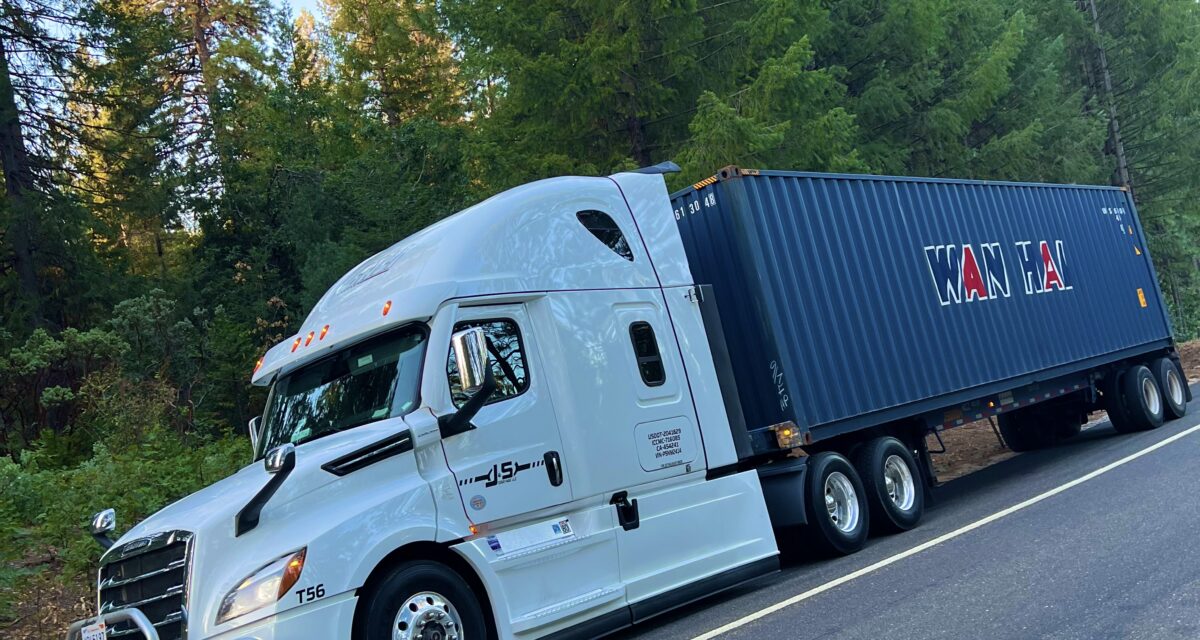
Shipping dry van freight within California presents distinct operational demands compared to standard interstate long-haul routes. Between strict environmental regulations, dense metropolitan corridor traffic, and severe seasonal capacity fluctuations, choosing the wrong motor carrier leads directly to delayed drop-offs, unexpected accessorial fees, and compliance liabilities.
When vetting a dry van trucking company for California freight lanes, evaluating basic rates per mile is not enough. You need to assess a carrier’s fleet compliance, regional corridor experience, operational flexibility, and communication infrastructure.
Here is what supply chain managers and freight brokers should evaluate when selecting a California dry van carrier.
1. California Environmental Compliance (CARB)
California maintains the strictest vehicle emission standards in the nation. The California Air Resources Board (CARB) actively enforces regulations governing heavy-duty diesel trucks operating within the state.
Selecting a carrier that fails to comply with CARB mandates introduces severe liability into your supply chain. Non-compliant trucks can be issued heavy fines, turned away from port facilities, or placed out of service during roadside inspections by the California Highway Patrol (CHP).
Key questions to ask during carrier vetting:
- Does your active fleet fully comply with current CARB Heavy-Duty Inspection and Maintenance (HD I/M) regulations?
- Are your tractors registered and active in the CARB Clean Truck Check database?
- Do you maintain a modern fleet with automated compliance reporting?
Partnering with a carrier that prioritizes full regulatory alignment ensures your freight moves without administrative holds or unexpected regulatory delays at California scales and inspection sites.
2. Understanding of Key California Freight Corridors
California’s supply chain infrastructure relies on several high-density freight corridors, each presenting unique transit challenges:
- Interstate 880 & I-80 (Bay Area & Port of Oakland Access): Characterized by severe commuter congestion and strict port staging windows.
- Interstate 5 & Highway 99 (Central Valley Corridor): The primary north-south agricultural and distribution arterial, prone to seasonal fog delays and heavy seasonal agricultural freight movements.
- Interstate 10 & I-15 (Southern California Inland Empire Connections): High-density distribution hubs where chassis and trailer availability can tighten overnight.
A reliable regional carrier understands lane-specific peak transit times and builds realistic schedules around regional traffic patterns. For instance, moving dry van freight out of Northern California industrial parks toward Central Valley distribution hubs requires strategic departure timing to bypass Bay Area bottlenecking.
3. Equipment Flexibility and Fleet Availability
Your cargo requirements determine the type of trailer capacity you need. A thorough carrier assessment requires looking into both equipment quality and service options:
| Service Model | Primary Use Case | Shipper Benefit |
| Live Load / Unload | Time-sensitive shipments; facilities with dedicated dock crews. | Lower dwell time penalties when dock labor is consistent. |
| Drop Trailer Programs | High-volume distribution centers; flexible loading windows. | Eliminates driver wait time; optimizes dock labor schedules. |
| Port-Adjacent Staging | Inbound ocean freight shifting to inland dry van trailers. | Reduces port demurrage charges by staging inventory nearby. |
Ensure your provider maintains late-model 53-foot dry van trailers equipped with air-ride suspension to protect fragile freight from road vibration. Furthermore, ask whether the carrier owns and maintains its fleet directly or relies heavily on unvetted sub-contracted owner-operators, which can impact service consistency.
4. Integrated Warehousing and Staging Capabilities
Freight rarely moves in a perfect, uninterrupted line. Docks get backed up, import containers experience customs holds, and end-customer delivery windows shift.
When your dry van carrier also offers local warehousing or short-term freight staging, your supply chain gains an essential buffer.
For example, if inbound freight arrives from overseas through Northern California gateways, having a carrier capable of pulling containers, devanning cargo, and transferring goods directly into 53-foot dry vans—or holding inventory at a secure facility—prevents costly port detention fees.
J&S Drayage operates a secure 32,000 sq. ft. warehousing facility in Livermore, CA, located under an hour from the Port of Oakland. This proximity allows shippers to combine port drayage, short-term transloading, and regional dry van transportation through a single operational team.
5. Communication and Real-Time Tracking Transparency
Operational transparency separates low-cost haulers from dependable logistics partners. When dry van freight is in transit across California, dispatchers and freight buyers require proactive communication—not manual phone tag when a load is already late.
A professional motor carrier should provide:
- Automated Status Updates: Electronic proof of pickup, in-transit milestones, and instant Proof of Delivery (POD) generation.
- Direct Dispatch Access: A dedicated operational contact who understands your specific account requirements.
- Proactive Exception Handling: Immediate alerts regarding mechanical issues, weather delays along mountain passes, or highway closures, along with clear re-routing plans.
6. Driver Experience and Safety Metrics
A carrier’s reputation rests on the drivers operating the equipment. California’s complex urban maneuvering, strict weigh-station protocols, and busy loading docks require experienced commercial drivers.
When evaluating a prospective freight carrier:
- Check their safety rating on the Federal Motor Carrier Safety Administration (FMCSA) Safety and Fitness Electronic Records (SAFER) system.
- Verify their vehicle and driver Out-of-Service (OOS) rates against national averages.
- Confirm driver familiarity with facility check-in procedures across key California industrial parks and distribution hubs.