

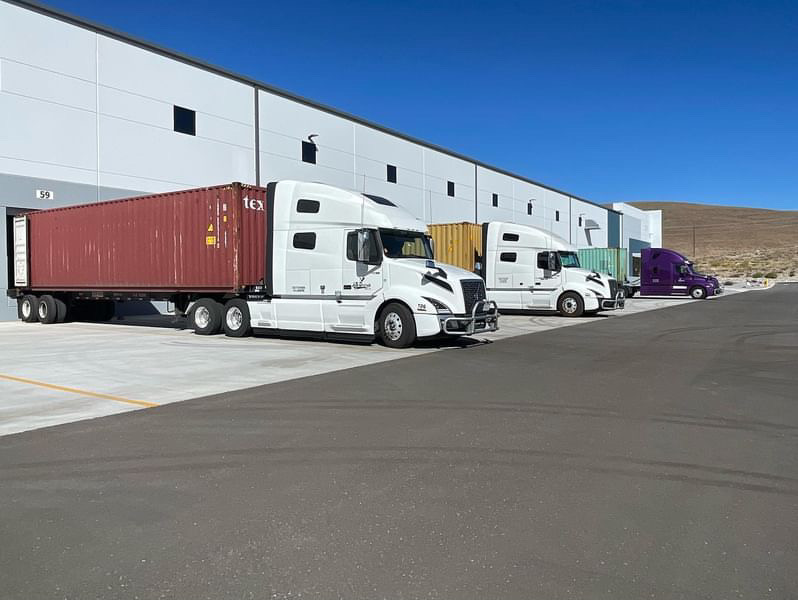
For decades, traditional logistics treated the warehouse as a passive terminal—a physical buffer where inventory waited for demand. In that legacy model, square footage was measured by storage density, and success was defined by how many pallets could be stacked under a single roof.
In the high-speed, data-driven ecosystem, that passive framework is obsolete.
When capital is tied up in static inventory, storage becomes an asset trap. To scale efficiently, high-volume enterprise shippers and agile brokers must shift their operational narrative: the warehouse is no longer a storage facility; it is a high-velocity transit engine.
Drawing from over 14 years of orchestrating port drayage, long-haul dry van lanes, and automated facility networks across California and Texas, we examine how transforming static square footage into an active staging node unlocks unprecedented network velocity and superior ROI.
1. Cross-Docking Precision: Eliminating the “Storage Graveyard”
The most efficient warehouse is one where inventory barely touches the rack. Traditional storage models introduce unnecessary handling, increased labor overhead, and latent dwell times. By contrast, a transit-engine model leverages cross-docking precision to move goods directly from inbound transport to outbound delivery with minimal dwell time.
Automated Data Matching: Utilizing advanced Warehouse Management Systems (WMS) integrated with real-time Telematics, incoming containers from the Ports of Los Angeles or Long Beach are dynamically matched with outbound dry van routes heading into the Texas Triangle before the truck even hits the bay door.
Touchpoint Reduction: By converting static storage space into dynamic staging lanes, touchpoints are reduced by up to 60%. This drastically cuts product damage, lowers labor costs, and turns physical facilities into rapid cross-docking nodes.
Capital Fluidity: Every hour a pallet sits on a shelf is an hour its working capital is frozen. High-velocity cross-docking keeps inventory liquid, ensuring products reach the point of sale in hours, not weeks.
2. Peak Season Audit: Staging Strategies Before the Surge
When quarterly demand spikes hit, traditional supply chains react by scrambling for emergency overflow storage. Future-forward logistics architects take a predictive approach, auditing and recalibrating their staging strategies before the surge materializes.
To insulate your bottom line against peak-season congestion, an operational audit should focus on three core variables:
1. Micro-Fulfillment & Buffer Positioning: Strategically staging high-demand SKUs at key nexus points along the CA-TX corridor reduces long-haul transit times during high-volume periods, ensuring rapid last-mile execution.
2.Predictive Throughput Analytics: Leveraging historical data and AI-driven demand signals allows shippers to align facility throughput capacity with anticipated carrier availability, preventing bottlenecks at the loading dock.
3. Dynamic Yard Management: Integrating real-time yard tracking ensures that trailers are pre-staged and prioritized based on load urgency, eliminating driver detention time and maximizing daily fleet utilization.
3. Agile Space vs. Legacy Contracts: Solving the Broker Capacity Crunch
For small-to-mid-size brokers and enterprise shippers alike, rigid, long-term lease commitments can severely limit operational agility. When market volatility strikes, rigid real estate footprints become expensive liabilities.
The modern solution lies in flexible, tech-enabled warehousing networks across strategic geographic nodes like California and Texas:
On-Demand Scalability: Accessing dynamic, agile warehousing space allows brokers to absorb sudden volume influxes or client re-routes without taking on multi-year lease risks.
Regional Risk Mitigation: Maintaining flexible staging hubs across both California and Texas provides built-in network redundancy. If port delays impact West Coast facilities, inventory streams can be dynamically shifted to Texas inland hubs without breaking the fulfillment loop.
Optimized Cost-to-Serve: Shippers pay only for the velocity and space they consume, converting fixed real estate overhead into a variable, highly efficient operating cost.
The Visionary Verdict: Velocity Is the Ultimate Competitive Advantage
Supply chain leadership is no longer about acquiring more space; it is about mastering the flow of goods through the space you have. By re-engineering warehouses into high-precision transit engines, forward-thinking organizations eliminate structural friction, optimize Scope 3 transit efficiency, and turn physical infrastructure into a powerful growth engine.
Insights & Strategy by J&S Team